

Overview
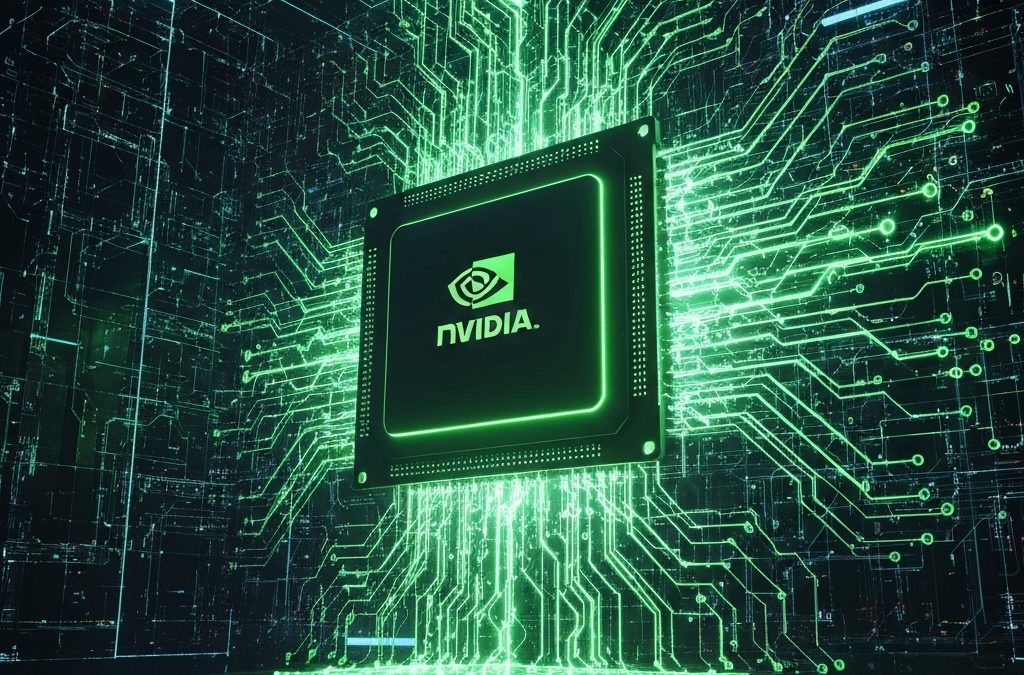
Nvidia’s GPU Technology Conference (GTC) stands as a pivotal annual gathering, a beacon for anyone tracking the pulse of computing and artificial intelligence. Far more than just a product showcase, GTC is where the chipmaker leverages its industry spotlight to articulate its overarching vision for the future. Central to this grand unveiling is the keynote address by CEO Jensen Huang. His presentation at GTC 2026 is poised to be a definitive moment, focusing intensely on Nvidia’s indispensable role in shaping the trajectory of computing and AI. Attendees and remote viewers alike anticipate a cascade of significant announcements, ranging from groundbreaking new hardware and software products to strategic partnerships that will undoubtedly redefine industry standards. GTC is where the blueprints for tomorrow’s intelligent systems are often first laid out, making Huang’s address a must-watch event for developers, researchers, and business leaders keen on understanding where the AI revolution is headed.
Impact on the AI Landscape
The impact of Nvidia’s GTC keynotes on the broader AI landscape cannot be overstated. As a dominant force in GPU technology, Nvidia’s strategic decisions and product launches often set the pace and direction for AI development globally. Huang’s GTC 2026 address, with its explicit focus on the future of AI, is expected to introduce innovations that will accelerate research, enable more complex models, and push the boundaries of what’s possible in machine learning. New architectures, enhanced software platforms, and expanded ecosystem partnerships announced at GTC typically become the foundational tools for the next generation of AI applications, from advanced robotics to sophisticated large language models. The event serves as a critical barometer for industry trends, influencing investment, research priorities, and the very capabilities available to AI practitioners worldwide. Its pronouncements help solidify the infrastructure upon which the future of artificial intelligence will be built.
Practical Application
For practitioners across the AI spectrum, the announcements emanating from GTC 2026 translate directly into tangible advancements and new opportunities. Developers can anticipate access to more powerful GPUs, optimized software development kits (SDKs), and refined frameworks that will significantly boost the performance and efficiency of their AI models. Businesses leveraging AI will find new solutions for scaling their operations, improving data processing capabilities, and deploying more sophisticated intelligent agents. Researchers, meanwhile, will gain access to cutting-edge hardware and platforms essential for tackling increasingly complex computational challenges, fostering breakthroughs in areas like scientific simulation, drug discovery, and autonomous systems. The practical application extends to improved training times for neural networks, enhanced inference capabilities for real-time AI, and broader accessibility to high-performance computing resources, ultimately democratizing advanced AI development and deployment for a wider audience.
Original source: View original article