

Overview
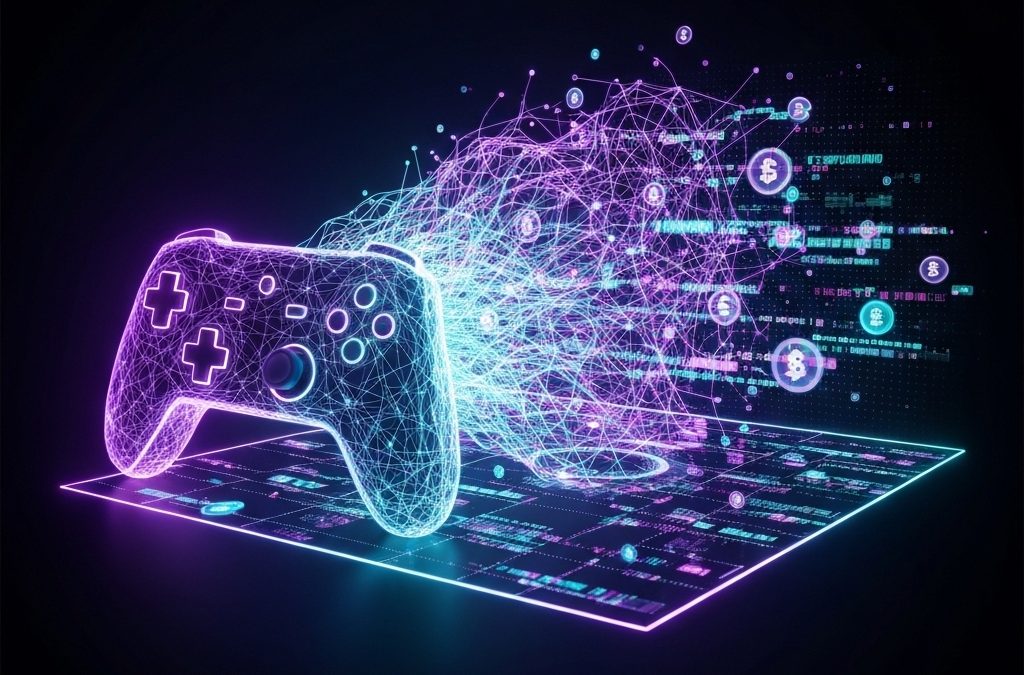
The AI revolution, while promising unprecedented advancements across industries, is casting a long shadow over the gaming sector, positioning it as one of the most significant casualties. Far from being an isolated niche, gaming—a a multi-billion dollar industry—is directly confronting the disruptive forces of the AI boom on two critical fronts: hardware scarcity and workforce transformation. The insatiable demand for high-performance computing resources, particularly Random Access Memory (RAM) and powerful GPUs, by AI development and deployment is exacerbating existing global supply chain issues. This scarcity translates directly into higher production costs for consoles and gaming PCs, ultimately impacting consumer prices and accessibility. Simultaneously, the rapid evolution of AI capabilities is leading to profound shifts in labor dynamics, with concerns mounting over job displacement across various roles within game development and publishing. This confluence of economic pressures and workforce restructuring signals a challenging new era for an industry accustomed to rapid technological evolution, but perhaps not one of this magnitude from an external, yet deeply interconnected, force. The intersection of AI’s needs and gaming’s reliance on similar high-end components is creating a perfect storm, forcing the industry to adapt or face severe consequences.
Impact on the AI Landscape
The gaming industry’s current predicament serves as a stark illustration of the broader economic and societal ripple effects generated by the accelerating AI landscape. The global RAM shortage, for instance, isn’t just a gaming problem; it underscores the immense computational appetite of modern AI models, from large language models to advanced graphics rendering and simulation. As AI demands continue to escalate, the competition for vital hardware components will intensify across all tech sectors, potentially stifling innovation in non-AI fields or making crucial technology prohibitively expensive. Furthermore, the job displacement witnessed in gaming offers a microcosm of the potential workforce upheaval facing numerous industries as AI automates tasks previously performed by humans. This highlights a critical challenge for the AI landscape itself: how to manage the socio-economic transition responsibly. The perception of AI as a job destroyer, even in creative industries like gaming, could fuel public skepticism and calls for stricter regulation, potentially slowing down adoption or influencing ethical guidelines for AI development. Thus, the gaming industry’s struggles are not merely an unfortunate side effect; they are a bellwether for the wider implications of an AI-driven future, demanding proactive strategies for resource allocation, workforce retraining, and ethical AI deployment to ensure sustainable progress.
Practical Application
For gamers, the most immediate practical application of these trends is felt directly in their wallets. Higher console prices and expensive PC components mean a greater barrier to entry for new enthusiasts and increased upgrade costs for veterans. This could slow market growth and reduce the accessibility of cutting-edge gaming experiences. For game developers and studios, the practical implications are multifaceted. They must contend with fluctuating hardware costs, potentially impacting development budgets and timelines. More significantly, studios are grappling with how to integrate AI tools—from procedural content generation to intelligent NPCs—while addressing the ethical considerations of job security for their human workforce. This necessitates a strategic re-evaluation of team structures, skill sets, and production pipelines. Developers might need to pivot towards roles focused on AI supervision, data curation, and prompt engineering, rather than traditional asset creation or testing. Furthermore, hardware manufacturers are pressured to innovate in component design and supply chain management to meet the dual demands of AI and gaming, potentially leading to new partnerships or vertically integrated solutions. Ultimately, the gaming industry must practically adapt by fostering new skills, exploring alternative hardware strategies, and responsibly leveraging AI to augment human creativity, rather than solely replace it, to navigate this disruptive period successfully.
Original source: View original article